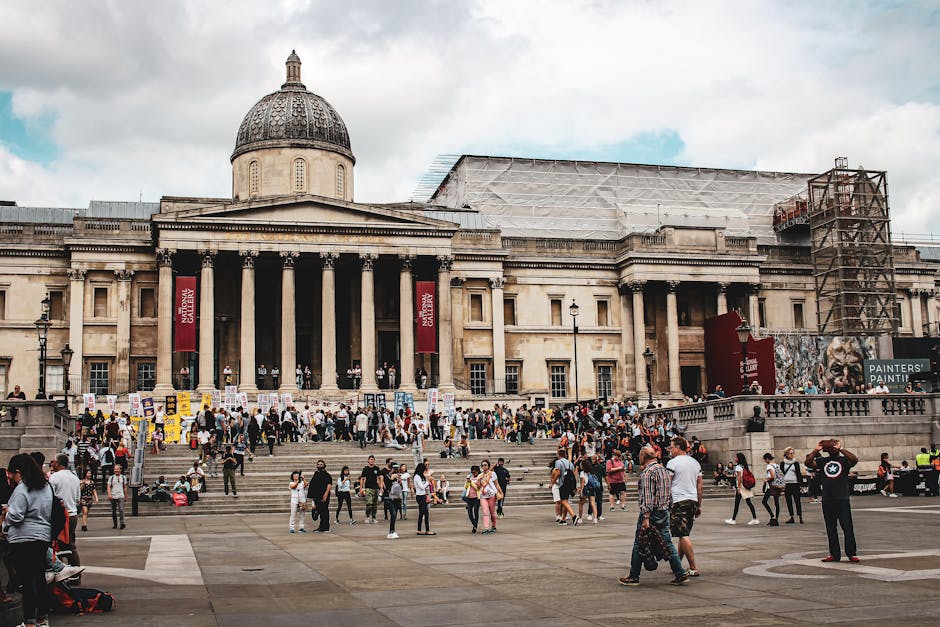
Saatchi Gallery rubbish removal for Chelsea events and exhibitions

If you are organising a launch, private viewing, fashion night, brand activation, or a busy exhibition around the Saatchi Gallery, rubbish removal can become one of those jobs that quietly decides whether the evening feels seamless or slightly chaotic. Crates arrive, packaging piles up, floral displays wilt, staff open boxes faster than they can flatten them, and by the end of the night there is always more waste than anyone expected. Saatchi Gallery rubbish removal for Chelsea events and exhibitions is the practical service that keeps the venue tidy, safe, and ready for the next wave of guests.
In Chelsea, presentation matters. So does timing. You need clearance that works around footfall, venue schedules, loading access, and the realities of London traffic. This guide walks through how the process works, what to plan for, where people usually go wrong, and how to make smarter decisions before event day turns into a scramble. It is written for people who need the job done properly, not just quickly.
Why Saatchi Gallery rubbish removal for Chelsea events and exhibitions matters
At a venue like the Saatchi Gallery, waste is not just waste. It is part of the rhythm of an event. The first wave is usually packaging: cardboard, plastic wrap, pallet film, tape, protective foam, wooden crates, and the odd broken zip tie nobody remembers taking off. Then come the operational leftovers: brochures, bottles, catering waste, discarded display materials, and storage items that need to disappear before the next day opens with a clean floor and a clear head.
That matters because galleries and exhibition spaces tend to be sensitive environments. Visitors expect a polished space. Staff need walkways free from clutter. Contractors often work to tight windows. And, to be fair, nothing ruins the atmosphere of a beautifully curated room faster than a stack of black bags sitting by the wall like an afterthought.
There is also a practical Chelsea factor. Roads can be busy, access can be awkward, and event teams often work with limited time for loading and unloading. Rubbish removal is not just about disposal; it is about protecting the event schedule. If clearance is delayed, waste starts to get in the way of setup, guest movement, cleaning, and breakdown. It becomes a bottleneck. Sometimes a very annoying one.
For organisers, the smartest approach is to treat rubbish removal as part of the event plan, not the final clean-up task. If you do that, you reduce stress, protect the venue, and keep the gallery presentation sharp from first guest to final exit.
Expert summary: In high-end Chelsea venues, waste removal should be planned like any other operational detail: timed, coordinated, discreet, and matched to the type of event waste being created.
How Saatchi Gallery rubbish removal for Chelsea events and exhibitions works
The process is usually simpler than people expect, but the details matter. A good waste removal plan starts before the event, not after the lights go down.
Here is the usual flow:
- Assess the waste profile. Decide what is likely to be produced: packaging, display materials, furniture, mixed rubbish, catering waste, or bulky items.
- Estimate volume and access. Consider whether waste will be bagged, boxed, stacked, or loose. Think about how far items need to be carried and whether vehicle access is easy.
- Choose the collection timing. Some clearances need to happen before opening, others during a quiet window, and some after breakdown when all the materials are finally ready to go.
- Separate what can be reused or recycled. This saves space, reduces mixing, and usually makes the clearance smoother.
- Remove, load, and transport. A proper crew will clear waste efficiently and keep disruption low. That last bit is more important than it sounds.
- Finish with a tidy handover. The final check should leave the site clean, safe, and ready for the next stage of the event schedule.
For exhibition work, the method often changes depending on the materials. A gallery pop-up with light marketing waste is very different from a large installation with timber offcuts and heavy packaging. A furniture-heavy activation can also need more handling care than a simple bag-and-box clearance. If the event has multiple contractors, clear communication is essential. One team's "done" is another team's "not yet".
Most organisers also appreciate the quiet stuff: clear arrival times, a named point of contact, and a plan for what happens if collection needs to be adjusted on the day. Small things. But these are the things that save time.
Key benefits and practical advantages
When rubbish removal is handled well, the benefits are obvious. When it is handled badly, everyone notices immediately. That is usually how these things go.
- Better presentation: Clean floors, clear corners, and uncluttered back-of-house areas help the gallery feel professional and calm.
- Safer movement: Fewer trip hazards, fewer blocked routes, and less risk around loading areas or temporary installations.
- Faster breakdown: A planned clearance supports a quicker exit after an event, which matters when another booking follows closely behind.
- Less stress for staff: Your team can focus on guests, exhibitors, or sponsors instead of trying to improvise a waste plan at 10:30 pm.
- Cleaner recycling separation: If items are sorted properly, more material can be handled in the right way rather than being dumped into one mixed pile.
- Better venue relationships: Galleries and event spaces remember the operators who leave a site tidy and on time. That counts, more than people admit.
There is also a quieter advantage: reputation. For brands, curators, and agencies, the back-end logistics are part of the public image, even if guests never see them. A polished event is not only what people saw in the room. It is also the state the room was left in.
If your event includes fitted displays, office-style temporary setups, or leftover furniture, it can help to review related support such as office clearance for temporary workspaces or furniture clearance. If you are dealing with mixed waste and heavier non-event materials, general waste removal is often the more flexible route.
Who this is for and when it makes sense
This service is not just for large exhibitions. It is useful for any team that needs a clean, controlled, professional waste solution around the Saatchi Gallery or nearby Chelsea event spaces.
Typical users include:
- Event agencies managing launches, PR nights, and branded experiences.
- Exhibition teams installing or dismantling artwork, displays, and stands.
- Venue managers who need reliable end-of-event clearance without fuss.
- Caterers dealing with packaging, food waste, and service materials.
- Set designers and build crews producing timber offcuts, cardboard, and mixed debris.
- Retail and brand pop-ups that leave behind boxes, fixtures, and temporary furniture.
It makes sense whenever waste is too bulky, too mixed, or too time-sensitive for staff to handle alone. It also makes sense if the venue has narrow timing windows. In Chelsea, a two-hour collection window can feel a lot shorter once vans, pedestrians, and loading constraints enter the picture.
Some teams can manage basic bagging themselves. Others need full clearance support because the waste is awkward, heavy, or simply too much for a post-event crew to deal with safely. There is no prize for doing it the hard way. Honestly, there is just more lifting.
Step-by-step guidance
If you are planning Saatchi Gallery rubbish removal for Chelsea events and exhibitions, a structured plan makes all the difference. Here is a straightforward way to handle it.
1. Walk the event layout early
Before the event, walk through the space and identify likely waste points. Look at catering stations, storage corners, build zones, dressing areas, and loading routes. You will often spot the trouble spots immediately. A narrow corridor filled with folded plinth packaging at midnight is nobody's friend.
2. Sort the waste by type
Group cardboard, plastics, timber, metal, general rubbish, and reusable materials separately if possible. This makes loading faster and gives you a cleaner result. If you know bulky furniture or display items will need disposal, it may be worth planning around furniture disposal or even a broader house clearance-style bulk removal approach when the mix is substantial.
3. Confirm access and timings
Check vehicle access, parking restrictions, service entrances, and the best time for removal. In central London, the difference between a smooth clearance and a headache can be ten minutes of bad timing. The van that arrives at the wrong moment is the one everyone remembers. Of course it is.
4. Prepare bags, labels, and stacking space
Set aside a proper collection zone. If bins and bags are already blocked by staging or decor, waste quickly spreads. Clear labels help the crew work faster and reduce confusion. This sounds basic, because it is basic, but basic wins a lot of event jobs.
5. Coordinate with build and breakdown teams
Rubbish removal should sit inside the wider operation, not outside it. If the set builders are still working, or the catering team is still closing down, you may need phased clearance. A flexible plan avoids clashes and keeps everyone from getting in each other's way.
6. Do a final sweep
When the main rubbish has gone, take a final look for tape, cable ties, fragments of packaging, and forgotten odds and ends. These tiny leftovers are what make a space feel unfinished. The room can be 95% clean and still look messy. That last 5% matters more than it should.
Expert tips for better results
After enough event clearances, a few patterns become obvious. These are the habits that make life easier.
- Plan for waste before the first box arrives. Where will packaging go? Who is responsible for bagging? Where is the holding area?
- Use the venue's layout wisely. Avoid pushing waste through guest-facing spaces if there is any other option.
- Leave room for the unexpected. Events rarely create exactly the amount of waste they promised to create. Usually it is more. Sometimes much more.
- Keep heavy items separate. This helps with handling safety and can speed up disposal decisions.
- Schedule collections around the event rhythm. Pre-opening, intermission, overnight, or after breakdown each have different advantages.
- Ask about recycling and material recovery. Good crews should be able to explain what can be diverted from mixed waste.
One practical trick: assign one person to be the waste decision-maker on site. Not the loudest person. Not the person already juggling four radios. Just one clear point of contact. It prevents the classic "I thought someone else was handling that" moment.
If your event is part build, part exhibition, part office-style temporary operation, you may also find builders waste clearance useful where offcuts and packaging are being produced during installation, and business waste removal helpful when the waste stream is ongoing rather than one-off.
Common mistakes to avoid
A lot of clearance problems are avoidable. The issue is usually not effort. It is planning, or the lack of it.
- Leaving waste planning until breakdown. By then, the space is tired and the team is too busy.
- Mixing all waste together. This can slow the job, make recycling harder, and create more handling than necessary.
- Ignoring access limits. If a vehicle cannot get close, loading time and labour both rise.
- Underestimating bulky items. Boxes are one thing. Crates, plinths, and display furniture are another.
- Forgetting venue rules. Some galleries have strict loading, timing, or surface-protection expectations.
- Assuming all clearance teams work the same way. They do not. The best ones communicate clearly and handle the awkward bits without drama.
One very human mistake is simply not asking enough questions. How long will the breakdown take? What waste remains after catering leaves? Is there a hidden storage room full of packaging that nobody remembered? These details matter, and they have a habit of appearing at the worst possible minute.
Tools, resources and recommendations
You do not need a complicated toolkit, but the right basics make event clearance smoother.
- Heavy-duty rubbish bags: Essential for mixed event waste and small loose items.
- Labels or colour-coded tape: Helpful for separating recycling from general waste.
- Gloves and basic PPE: Useful for anyone handling sharp, dusty, or awkward items.
- Flat trolleys or dollies: Very handy for moving boxed materials without unnecessary lifting.
- Protective floor coverings: Good where waste is being moved across delicate gallery surfaces.
- Site checklist: A simple list of waste zones, pickup times, and responsible staff can save a lot of confusion.
For commercial teams, it is also worth reviewing operational pages such as pricing and quotes if you need budgeting clarity, and recycling and sustainability if your event has an environmental brief. That second one is especially useful when clients ask awkward questions about where everything goes. They always ask eventually.
If the event involves a major reset of rooms, storage areas, or temporary staging, home clearance and flat clearance pages can also help you understand how mixed-content clearances are typically handled in practice, even when the setting is commercial rather than residential.
Law, compliance, standards, or best practice
For event rubbish removal in Chelsea, compliance is mostly about common-sense UK waste handling, safer working practices, and respecting the venue's rules. You do not need to turn the job into a legal seminar, but you do need to be careful.
In practical terms, that usually means:
- only using a waste carrier that is expected to handle waste responsibly;
- avoiding fly-tipping or casual dumping, which is obviously not an option;
- keeping waste secured so it does not create hazards in public or shared areas;
- separating reusable or recyclable materials where possible;
- using sensible manual handling practices for bulky or sharp items;
- following venue-specific access, loading, and surface-protection rules.
Health and safety should not be treated as paperwork after the fact. If staff are lifting heavy objects, handling broken packaging, or moving waste in a crowded space, the basics matter: clear walkways, gloves when needed, safe lifting, and enough time to do the job properly. Our own site's health and safety policy and insurance and safety information are useful reference points when you want reassurance about operational standards.
Best practice also includes being clear on what the clearance includes and excludes. Does the job cover packaging only, or full dismantle-and-remove? Is there a recycling split? Who signs off the final sweep? The answers should be agreed early. It saves arguments later. And usually a lot of time.
For organisations with strong governance needs, documents like terms and conditions, privacy policy, and payment and security also help build confidence before any booking is made.
Options, methods, or comparison table
Different events need different clearance methods. A small launch does not require the same setup as a multi-day exhibition build. Choosing the right approach is mostly about matching urgency, waste type, and access conditions.
| Method | Best for | Strengths | Limitations |
|---|---|---|---|
| Bag-and-load clearance | Light event waste, packaging, small mixed rubbish | Quick, flexible, easy to stage on-site | Less suitable for bulky or heavy materials |
| Bulky-item removal | Furniture, plinths, display units, crates | Better for awkward items and larger volumes | Needs more access planning and manual handling care |
| Phased clearance | Build-and-break events, multi-team operations | Reduces congestion and helps with tight schedules | Requires coordination and a reliable timetable |
| Full mixed-waste clearance | Large exhibitions or events with many waste streams | Convenient when many material types are left over | May be less efficient than sorted waste where recycling matters |
For some Chelsea events, a mixed approach works best. The first collection might clear packaging and small bags, while the final collection handles dismantled displays and furniture. That sort of layering sounds fussy, but it usually keeps the venue calmer and the team happier. Good enough is not good enough in every room.
Case study or real-world example
Imagine a two-day contemporary art launch near the Saatchi Gallery. On day one, installers bring in framed work, crates, protective wrapping, temporary signage, and lighting materials. By the evening preview, the space looks polished, but the storage area tells a different story: flattened cardboard, foam inserts, cable ties, broken pallets, and a pile of timber offcuts tucked behind a screen.
The organiser has one collection booked before doors open the next morning, then a second after de-rig. The first collection clears the obvious packaging and anything that could block the guest route. The second handles the heavier leftovers once the artwork has been packed away. One team member manages waste decisions throughout, so nothing gets dumped in the wrong place and nothing is accidentally kept for later that never comes.
The result is not glamorous, but it is exactly what good event logistics should feel like: quiet, orderly, and barely noticed. Guests see a clean gallery. Staff avoid the midnight panic. The venue is ready for the next booking. No drama. Which, in Chelsea, is frankly a small miracle some nights.
This sort of job often overlaps with other clearance needs too. If the exhibition included a temporary office or back-of-house base, office clearance can help shape the handover. If a storage room or basement has accumulated older items over time, garage clearance is a useful model for dealing with cluttered, mixed, awkward spaces.
Practical checklist
Use this as a simple pre-event and post-event check. It keeps everyone on the same page, more or less.
- Confirm what waste types the event will create.
- Estimate volume realistically, not optimistically.
- Check venue access, loading rules, and time windows.
- Set aside a clear waste holding area.
- Separate recycling, general waste, and bulky items where possible.
- Assign one named contact for waste decisions.
- Protect floors and walkways if items need to be moved through finished spaces.
- Book the clearance for the correct stage of the event: pre-open, during, or after breakdown.
- Walk the space one final time before sign-off.
- Make sure leftover materials are not hidden in corners, storage rooms, or behind staging.
If you can tick all of those off, you are already ahead of the usual scramble. It sounds simple because it is simple. The hard part is remembering to do it when the event is moving fast.
Get a free quote today and see how much you can save.
Conclusion
Saatchi Gallery rubbish removal for Chelsea events and exhibitions is really about control. Control over timing, presentation, safety, and the handover between creative work and the practical reality of clearing a space. In a setting where details matter, a tidy back end supports a better front end. Guests notice the atmosphere, not the rubbish logistics, and that is exactly how it should be.
The best results come from planning early, separating waste sensibly, respecting venue access, and choosing a clearance method that fits the event rather than forcing the event to fit the clearance. Keep it calm, keep it organised, and keep one eye on the final walk-through. That last sweep always matters more than people think.
And if the job feels a bit overwhelming, that is normal. Big events create a lot of moving parts. A good waste plan simply takes the pressure off, so the room can do what it was meant to do: look brilliant.
Frequently Asked Questions
What does Saatchi Gallery rubbish removal for Chelsea events and exhibitions usually include?
It usually includes collection and removal of event waste such as cardboard, packaging, mixed rubbish, display materials, broken-down staging items, and sometimes bulky furniture or temporary fixtures, depending on the booking.
Can rubbish removal be done before the event starts?
Yes. In many cases, pre-event clearance is the smartest option, especially when packaging, build waste, or old materials would otherwise get in the way of installation or guest access.
Is it better to sort waste before collection?
Usually, yes. Separating cardboard, recyclables, and general waste can make the clearance faster and more efficient, and it often reduces confusion on a busy event site.
What kinds of waste are most common at Chelsea exhibitions?
Common waste includes cardboard, film wrap, tape, foam, printed materials, food packaging, signage, and broken or dismantled display components. Larger events may also create timber, furniture, and crate waste.
How do I know if I need bulky-item removal instead of standard waste removal?
If the event involves heavy furniture, plinths, crates, or other awkward items that cannot just be bagged, bulky-item removal is usually the better fit. It is more about handling and access than simple rubbish volume.
What should I do if the gallery access is tight?
Measure the access route, confirm loading times, and tell the clearance team in advance. Tight access is common in London, so the job can still run smoothly if everyone knows the constraints early.
Can clearance be phased across the day?
Yes. For larger events, a phased approach often works best: one collection before opening, another during a quiet window, and a final sweep after breakdown.
Is recycling part of event rubbish removal?
It can be, and it should be where practical. Good planning makes it easier to separate recyclable materials from general waste, especially cardboard and clean packaging.
How far in advance should I plan waste removal for an exhibition?
Ideally, as soon as the build schedule is known. Even a quick booking discussion early on helps avoid access issues, timing clashes, and last-minute handling problems.
What are the biggest mistakes organisers make?
The most common mistakes are leaving it too late, mixing all waste together, underestimating bulky items, and failing to agree who is responsible for waste decisions on the day.
Does a professional clearance help with health and safety?
Yes. A proper clearance reduces trip hazards, keeps routes open, and helps staff avoid unsafe lifting or cluttered work areas during a busy event handover.
Where can I find more information about booking and service standards?
Useful starting points include about us for company background, pricing and quotes for budgeting, and contact us when you are ready to discuss your event.
What if my event also has furniture or office-style items to clear?
Then it may help to combine event rubbish removal with furniture clearance or office clearance, depending on the type of items left behind. That often keeps the process simpler and avoids multiple collections.
Can I get rid of everything in one go?
Sometimes, yes, especially if the waste is well sorted and access is straightforward. But for larger Chelsea events, a staged approach is often cleaner and less stressful. One go sounds nice. Reality sometimes prefers two.